
The Return of the Inland Empire "Zombie": How to Spot Vacant Pre-Foreclosures in Riverside and San Bernardino


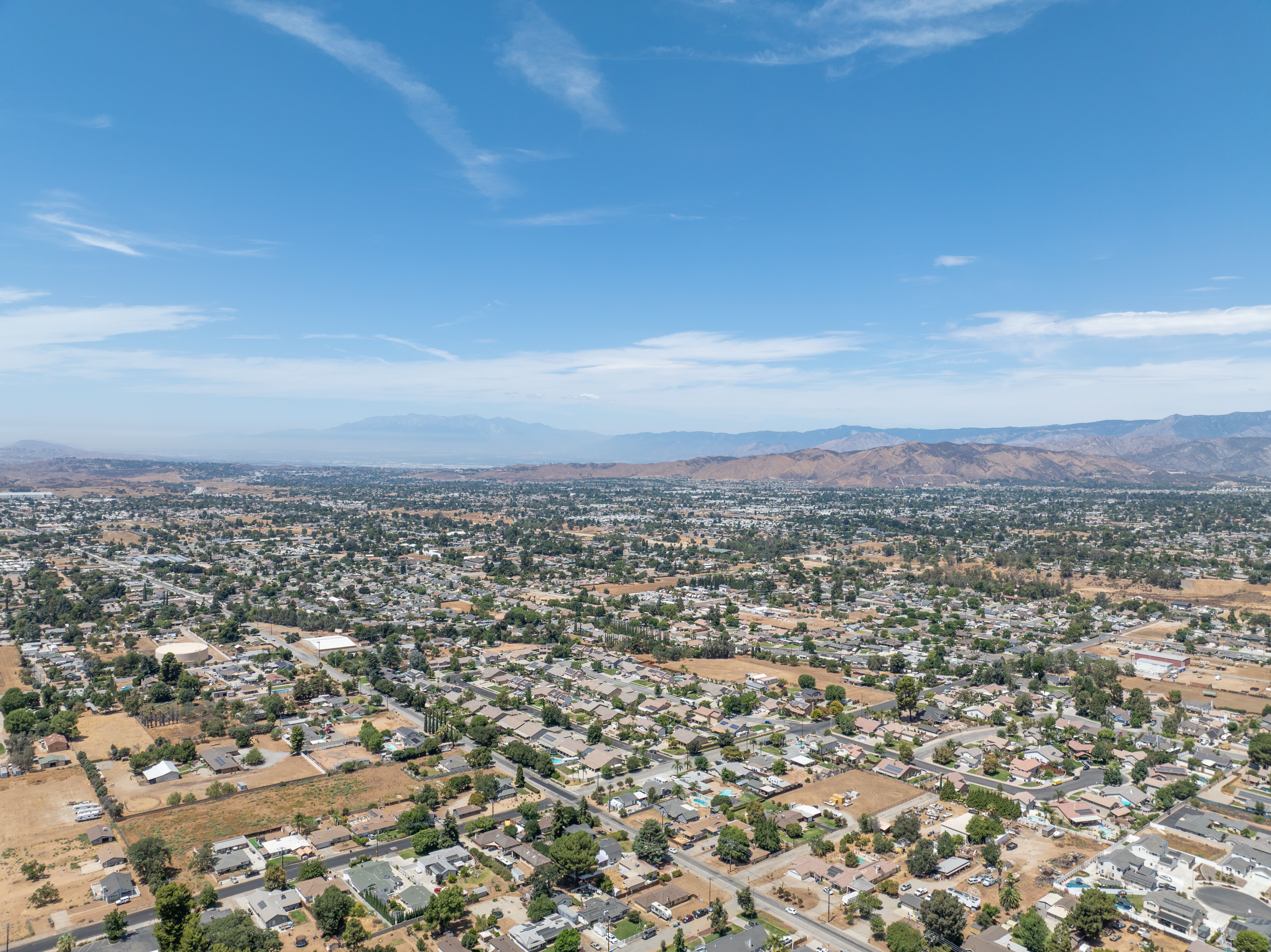
The Return of the Inland Empire "Zombie": How to Spot Vacant Pre-Foreclosures in Riverside and San Bernardino
For the last few years, the term "Zombie Foreclosure" felt like a ghost story from 2008. But as we move through March 2026, these properties are coming back to life—or rather, back to the market.
According to the latest ATTOM Q1 2026 Vacant Property Report, while the national "zombie" rate is holding steady at 3.27%, California has seen a notable 15.1% quarter-over-quarter increase in these abandoned pre-foreclosures.
At REOCalifornia.com, we are seeing these "clusters" pop up specifically in the Inland Empire. Here’s what investors need to know to find the opportunity before the rest of the market catches on.
What Exactly is a "Zombie"?
A zombie foreclosure occurs when a homeowner receives a Notice of Default (NOD) and moves out, assuming the bank is taking the house immediately. However, the legal process can take months (or years). The result? A vacant home that is still technically owned by the borrower, but is slowly being claimed by the weeds.
Why Riverside and San Bernardino?
The Inland Empire has always been the "foreclosure bellwether" for Southern California. In March 2026, several factors are driving this:
FHA/VA Sensitivity: These counties have a higher concentration of government-backed loans. ICE Mortgage Technology reports that serious delinquencies (90+ days) in these loan types have jumped 22% year-over-year.
Cluster Zones: We are seeing specific clusters in Fontana, Victorville, and Moreno Valley. When one house on a block goes "zombie," it often signals a pocket of high-leverage buyers who are now underwater.
How to Spot the Opportunity (The Investor’s Checklist)
If you're scouting the IE for your next flip or rental, look for these three signs that a property has gone "zombie":
1. The "Notice of Default" Paper Trail
The first step isn't on the street; it's in the data. We track the Notices of Trustee Sale that are currently rising in San Bernardino County. A property that has an active NOD but hasn't moved to auction in 90+ days is a prime candidate for being vacant.
2. The Physical Red Flags
Zombies have a "look."
The "Yellowing" Lawn: In the IE heat, it only takes two weeks without water for a lawn to signal abandonment.
The Uncollected "Door Hangers": Look for a buildup of pizza menus and HOA violation notices stuck in the door frame.
Power Check: Look at the digital electric meter. If the screen is blank or the "service disconnected" tag is visible, the owner is long gone.
3. The Palm Springs "Micro-Trend"
Interestingly, Palm Springs (Zip 92262) was recently flagged by ATTOM as having one of the highest zombie rates in the state—over 30% of their pre-foreclosures are vacant. If you’re an investor looking for vacation rentals or retirement flips, the Coachella Valley is currently a goldmine for these abandoned assets.
Why REOCalifornia.com?
Navigating a zombie foreclosure is tricky. You aren't dealing with a bank yet; you're dealing with a disappeared owner and a looming auction date.
At REOCalifornia.com, we specialize in the "Inland Empire Corridor." We help investors track these vacancies, contact the owners for a potential Short Sale, or prepare for the REO (Bank-Owned) phase before the home hits the general MLS.
Investor Tip: The "sweet spot" for 2026 is catching these properties after the owner leaves but before the bank finishes the foreclosure. This is where you find the deepest discounts and the least competition.
Want the "Hot List" of vacant pre-foreclosures in Riverside and San Bernardino? Contact our team at REOCalifornia.com today.
Data Sources: ATTOM Q1 2026 Vacant Property Report; ICE Mortgage Monitor March 2026.